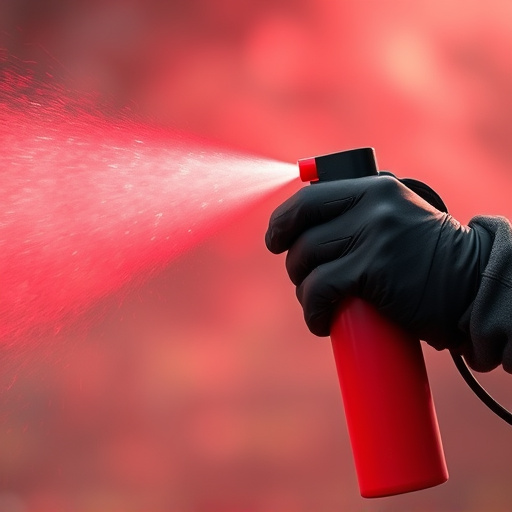
Storing Pepper Spray for Maximum Effectiveness
Proper storage of pepper spray is vital to maintain its potency and safety. Store it in cool, dry locations, avoiding direct sunlight and extreme temperatures to protect the active ingredient, capsaicin. Always seal the device tightly after each use and keep it in its original packaging to prevent accidental activation. Maintain regular checks for expiration dates, keep it out of reach of children and pets, and consider using sealed containers for added protection. Adhering to these practices ensures optimal performance when needed most, while also navigating global regulations and enhancing user training for reliable self-defense.
“Discover the power of nature’s defense mechanism with our innovative exploration of capsaicin-based personal protection devices. This article unravels the science behind capsaicin as an active ingredient, delving into its effectiveness in self-defense tools. We’ll guide you through the process of designing protective devices for precise capsaicin delivery, ensuring optimal impact. Additionally, we’ll cover crucial aspects like proper storing techniques for pepper spray to maintain potency and safety, regulatory considerations, and user training tips for responsible and effective personal protection.”
- Understanding Capsaicin: The Active Ingredient
- Designing a Personal Protection Device for Optimal Delivery
- Storing Pepper Spray Properly: Preserving Potency and Safety
- Regulatory Considerations and Legal Implications
- User Training and Best Practices for Maximum Effectiveness
Understanding Capsaicin: The Active Ingredient
Capsaicin, the active ingredient in pepper spray, is a natural compound derived from chili peppers. It’s what gives them their heat and pungent flavor. When used in personal protection devices, capsaicin creates a temporary but intense irritation in the eyes, nose, and respiratory system of the target, disorienting and enabling the user to escape potentially harmful situations. Understanding how this active ingredient works is crucial for maximizing its effectiveness when storing pepper spray for future use.
Proper storage is essential to maintain the potency of capsaicin-based solutions. Unlike traditional pepper sprays, which can degrade over time or be affected by environmental conditions, modern formulations designed for personal protection devices often come with specific instructions on storage and shelf life. Users should keep their devices in cool, dry places, away from direct sunlight, extreme heat, or freezing temperatures. Additionally, ensuring the device is sealed tight after each use helps maintain its potency, as oxygen exposure can degrade capsaicin’s potency over time.
Designing a Personal Protection Device for Optimal Delivery
When designing a personal protection device based on capsaicin, or pepper spray, the key lies in achieving optimal delivery for maximum effectiveness. This involves careful consideration of the concentration and formulation of the active ingredient, ensuring it’s potent enough to deter attackers but not so strong as to cause unnecessary harm or discomfort to the user. The device should be ergonomically designed for easy handling, allowing users to deploy it swiftly during emergency situations.
Furthermore, proper storing conditions are crucial for maintaining pepper spray’s maximum effectiveness. Extreme temperatures, both hot and cold, can degrade its potency. Ideal storage conditions include a cool, dry place, away from direct sunlight and heat sources. Regular maintenance checks should be implemented to ensure the device’s mechanism remains in good working order, ensuring a consistent and reliable performance when needed most.
Storing Pepper Spray Properly: Preserving Potency and Safety
Storing pepper spray properly is essential for preserving its potency and ensuring safety. The first step is to keep it in a cool, dry place away from direct sunlight or extreme temperatures. Heat can cause the active ingredient, capsaicin, to degrade faster, reducing the spray’s effectiveness. Additionally, avoid storing it in humid environments as moisture can also negatively impact its performance. Always store the spray in its original packaging with the nozzle sealed to prevent any accidental activation.
To maximize the shelf life of your pepper spray, keep it out of reach of children and pets. While most modern pepper sprays are designed with child-resistant mechanisms, an extra layer of caution is never hurt. In case of long-term storage, consider placing the spray in a sealed plastic bag or container to further protect it from dust and potential contamination. Regularly check the expiration date and replace the spray if it shows signs of deterioration or loss of potency.
Regulatory Considerations and Legal Implications
When developing and deploying a capsaicin-based personal protection device, it’s paramount to navigate the complex regulatory landscape. Authorities worldwide have specific guidelines on chemical compounds, especially those designed for self-defence. Compliance with these regulations ensures your product can be legally sold and distributed, while non-compliance may result in severe legal repercussions, including product seizure and financial penalties. Key considerations include ingredient listings, label accuracy, and safety testing to meet the required standards.
Proper storage of pepper spray is also crucial for maintaining maximum effectiveness. Many regulatory bodies advocate for specific conditions, such as cool, dry places away from direct sunlight or extreme temperatures. Additionally, ensuring that users understand the storage requirements can prevent degradation of the active ingredient, capsaicin, which would diminish its potency over time. Adhering to these guidelines not only ensures product efficacy but also safeguards against potential legal challenges related to product liability.
User Training and Best Practices for Maximum Effectiveness
Proper user training is paramount for maximizing the effectiveness of a capsaicin-based personal protection device, such as pepper spray. It’s crucial to understand how and when to deploy the spray, as well as post-application care. Users should be taught about the different types of pepper spray, their ranges, and the differences between them. Knowing how to store pepper spray properly is also essential for maintaining its maximum potency. Storing it in a cool, dry place away from direct sunlight will help preserve its active ingredients.
Best practices include keeping the device readily accessible, regularly testing its functionality, and ensuring proper ventilation after use. Users should also be aware of potential deactivating factors like extreme temperatures or certain types of skin conditions that might reduce sensitivity to capsaicin. Regular training sessions can help users stay adept and confident in using their personal protection devices, making them more effective in self-defense scenarios.
Capsaicin-based personal protection devices offer a powerful and effective solution for self-defense, but proper usage and storage are key. By understanding the active ingredient, designing optimal delivery systems, and adhering to regulatory guidelines, these devices can provide users with peace of mind. Additionally, proper storing of pepper spray is crucial for preserving potency and safety over time. Following best practices during user training ensures maximum effectiveness when facing dangerous situations, making these devices valuable tools for personal protection in today’s world.