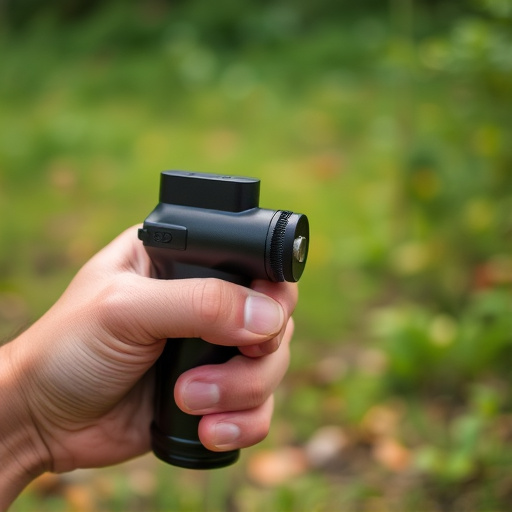
Proper storing of pepper spray is crucial for maintaining its effectiveness and safety. Keep it in a cool, dry place (50-77°F or 10-25°C) away from sunlight, with low humidity to prevent degradation. Utilize secure, tamper-proof containers, label clearly, and conduct regular inventory checks. Store separately from other equipment to avoid contamination. Adhering to these practices maximizes pepper spray's performance, ensuring its reliability in emergency situations.
“Tactical inflammatory spray, a powerful personal defense tool, offers a crucial layer of protection in high-risk scenarios. This comprehensive guide explores ‘Storing Pepper Spray for Maximum Effectiveness’, delving into best practices to ensure optimal performance when it matters most. From understanding the technology behind these sprays to navigating legal complexities and real-world applications, this article equips readers with essential knowledge. Learn how proper storage can enhance spray impact, providing peace of mind in potentially dangerous situations.”
- Understanding Tactical Inflammatory Spray: A Comprehensive Overview
- Storing Pepper Spray: Best Practices for Optimal Performance
- Maximizing Effectiveness: Factors Influencing Spray Impact
- Legal and Safety Considerations: Navigating the Complexities
- Real-World Applications: Success Stories and Lessons Learned
Understanding Tactical Inflammatory Spray: A Comprehensive Overview
Tactical inflammatory spray, often referred to as pepper spray, is a powerful non-lethal force multiplier designed to incapacitate and disrupt adversaries temporarily. Comprising capsaicin, the active ingredient found in chili peppers, this spray causes an intense burning sensation, leading to irritation, coughing, and temporary blindness. Understanding how to effectively store tactical inflammatory spray is paramount for maximizing its effectiveness. The first step involves keeping it in a secure, controlled environment, away from extreme temperatures and direct sunlight. These conditions can degrade the spray’s potency over time. Opt for sturdy, tamper-proof containers that meet industry standards, ensuring proper labeling and regular inventory checks to track usage and expiration dates. Additionally, storing pepper spray separately from other equipment reduces the risk of accidental deployment or cross-contamination.
For optimal performance, tactical inflammatory spray should be stored at a temperature between 50-77°F (10-25°C). Humidity control is also crucial; keeping it in a dry place prevents the growth of mold or bacteria that could compromise its integrity. Given its potent nature, proper storage isn’t just about maintaining quality; it’s a safety measure to prevent accidental exposure and ensure the spray remains a reliable tool when needed most.
Storing Pepper Spray: Best Practices for Optimal Performance
Storing pepper spray properly is crucial for maintaining its maximum effectiveness. In ideal conditions, pepper spray should be stored in a cool, dry place, away from direct sunlight and heat sources. High temperatures can accelerate degradation of the active ingredients, reducing the spray’s potency over time. Many manufacturers recommend storing pepper spray at temperatures between 50°F to 72°F (10°C to 22°C). Additionally, keep it out of reach of children and unauthorized individuals, as well as in a secure container to prevent accidental discharge.
To ensure longevity, store the spray in its original packaging whenever possible. Avoid exposing it to moisture or extreme pressure changes. If stored correctly, pepper spray can maintain its full strength for several years past the expiration date. Regularly checking the condition of your spray is also beneficial; inspect for any signs of damage, leakage, or changes in color or texture, which could indicate a loss of potency.
Maximizing Effectiveness: Factors Influencing Spray Impact
Maximizing the effectiveness of a tactical inflammatory spray defense system involves careful consideration during both storage and deployment. The impact of pepper spray is influenced by several key factors, with proper handling being paramount. One crucial aspect is the environment where the spray is stored; maintaining optimal temperature and humidity levels ensures the active ingredients remain potent. Extreme conditions can cause degradation, reducing the spray’s efficacy. Additionally, regular testing and maintenance are essential to guarantee the system is ready for use when needed.
Proper application technique also plays a significant role in its success. The distance from the target, angle of spray, and timing of deployment directly impact the effectiveness. Storing pepper spray in easily accessible, secure locations allows for swift response during emergencies or confrontations. By understanding these factors and implementing best practices for both storage and use, individuals can maximize the impact of their tactical inflammatory spray defense system.
Legal and Safety Considerations: Navigating the Complexities
When implementing a tactical inflammatory spray defense system, understanding legal and safety considerations is paramount. Each jurisdiction has specific laws governing the possession, use, and storage of pepper spray or other inflammatory agents, so it’s crucial to consult local regulations before deployment. Compliance ensures that your defensive measures do not inadvertently violate any laws, protecting both users and bystanders.
Proper storing of pepper spray is a critical aspect of maintaining its maximum effectiveness. This involves keeping the spray in secure locations, away from unauthorized access, and in conditions that preserve its potency. Extreme temperatures, direct sunlight, and moisture can degrade the chemical agent, so climate-controlled environments are ideal for storage. Additionally, regular maintenance and inspection ensure that the equipment remains in good working order, ready for immediate use when needed.
Real-World Applications: Success Stories and Lessons Learned
In real-world scenarios, tactical inflammatory spray has proven its worth as a powerful tool for self-defense and crowd control. Success stories abound where law enforcement agencies and security personnel have effectively utilized pepper spray to neutralize threats, disrupt criminal activities, and ensure public safety. These applications span from high-risk operations involving armed suspects to managing large-scale public gatherings.
Storing pepper spray optimally is a crucial aspect of its effectiveness. Lessons learned highlight the importance of adhering to specific guidelines for proper handling and storage. This includes maintaining controlled temperatures, keeping it out of direct sunlight, and ensuring the canisters are securely stored in designated areas. By following these practices, the potency of the spray remains intact, maximizing its impact when needed most.
Tactical inflammatory spray, also known as pepper spray, is a powerful personal defense tool. By understanding its mechanics, proper storage techniques (such as Storing Pepper Spray for Maximum Effectiveness), and the influencing factors on its impact, users can maximize its effectiveness. Legal and safety considerations must be carefully navigated to ensure responsible use. Real-world applications have shown remarkable success stories, highlighting the importance of these defensive systems in various scenarios. As with any potent tool, ongoing education and adherence to best practices are crucial for those seeking to deploy tactical inflammatory spray as a last resort for self-defense.