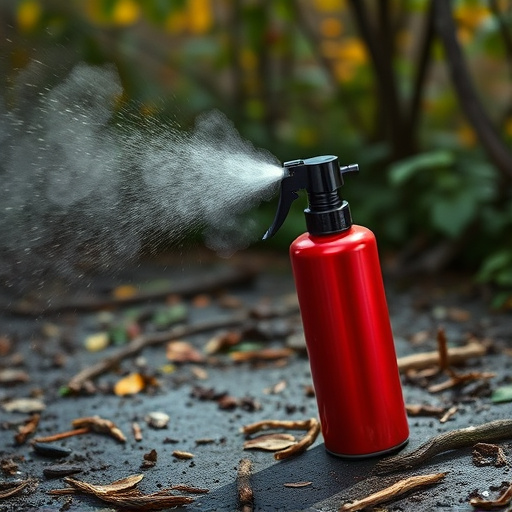
Proper storage of pepper spray is crucial for law enforcement to maintain its effectiveness and readiness during civil unrest or large gatherings. Best practices involve securing the spray in cool, dry conditions, away from direct sunlight or extreme temperatures, with regular inventory checks to prevent spoilage or theft. Adhering to manufacturer guidelines on shelf life ensures maximum potency, while rigorous training and tactical simulations enhance officers' proficiency in using pepper spray responsibly and proportionately for crowd control.
Riot control agents, such as pepper spray, are essential tools for law enforcement in managing crowd disturbances. This article provides a comprehensive guide to understanding these agents, their functionality, and the associated risks. We explore best practices for storing pepper spray to ensure optimal preservation and accessibility. Additionally, we delve into legal considerations, regulatory frameworks, and use protocols, while offering insights on maximizing effectiveness through training, equipment maintenance, and tactical applications.
- Understanding Riot Control Agents: An Overview of Their Functionality and Risks
- Storing Pepper Spray: Best Practices for Optimal Preservation and Accessibility
- Legal Considerations: Regulatory Frameworks and Use Protocols for Law Enforcement
- Maximizing Effectiveness: Training, Equipment Maintenance, and Tactical Applications
Understanding Riot Control Agents: An Overview of Their Functionality and Risks
Riot control agents, often referred to as less-lethal weapons, are chemicals designed to disrupt and disperse crowds without causing permanent harm. These agents play a significant role in law enforcement, particularly during civil unrest or large gatherings where maintaining order becomes challenging. The most common type is pepper spray, which contains capsaicin, the active ingredient found in chili peppers.
When used appropriately, riot control agents can effectively manage chaotic situations. However, their deployment carries risks. Improper storage of pepper spray, for instance, can lead to loss of potency due to environmental factors like temperature and humidity. Law enforcement agencies must adhere to strict guidelines for storing pepper spray to ensure maximum effectiveness when needed. This includes keeping the containers in secure, cool, and dry locations, following manufacturer recommendations for shelf life, and implementing regular inventory checks to prevent spoilage or theft.
Storing Pepper Spray: Best Practices for Optimal Preservation and Accessibility
Storing pepper spray properly is paramount for law enforcement agencies to ensure its maximum effectiveness and longevity. The best practices involve keeping the spray in a cool, dry place away from direct sunlight or extreme temperatures. It should be stored in a locked, secure area accessible only to authorized personnel. This prevents unauthorized use and maintains the integrity of the product.
Additionally, it’s crucial to check the expiration date regularly and rotate stocks accordingly. Proper storage also includes keeping the spray containers sealed to prevent contamination and ensuring that applicators are trained in its proper handling and usage. These measures not only preserve the potency of the pepper spray but also guarantee its ready availability when needed by law enforcement officers in the field.
Legal Considerations: Regulatory Frameworks and Use Protocols for Law Enforcement
In the realm of law enforcement, riot control agents, including pepper spray, are subject to stringent legal considerations and regulatory frameworks designed to ensure their responsible use. These regulations govern not only the acquisition and deployment of such agents but also their storage for maximum effectiveness. Optimal storage practices play a crucial role in maintaining the potency and integrity of pepper spray, ensuring it remains a reliable tool for law enforcement officers.
The use protocols for riot control agents are clearly delineated, emphasizing proportionality and necessity. Law enforcement agencies must adhere to strict guidelines when employing these substances, including the consideration of alternative non-lethal options. Proper storage includes controlling environmental factors like temperature and humidity, utilizing secure containment systems, and following recommended shelf lives. By adhering to these protocols, law enforcement can balance public safety with the responsible use of riot control agents, ensuring their effectiveness in various operational scenarios.
Maximizing Effectiveness: Training, Equipment Maintenance, and Tactical Applications
Maximizing effectiveness in riot control involves rigorous training, regular equipment maintenance, and strategic tactical applications. Law enforcement agencies must ensure that officers are well-versed in the use of riot control agents like pepper spray. This includes practical exercises to familiarize themselves with the spray’s range, wind dynamics, and proper application techniques. Regular simulations help officers stay prepared for real-world scenarios, enhancing their ability to de-escalate tensions and control crowds efficiently.
Equipment maintenance is equally vital. Storing pepper spray properly, in secure, temperature-controlled environments, preserves its potency. Regular inspections ensure that all equipment, including spraying devices, are in optimal condition. Additionally, keeping a well-stocked inventory of various riot control agents allows law enforcement to adapt their tactics based on the specific situation and crowd dynamics, maximizing effectiveness during riot control operations.
Riot control agents are powerful tools for law enforcement, but their usage and storage require careful consideration. By understanding the functionality, risks, and legal protocols associated with these agents, officers can ensure their effectiveness while minimizing potential harm. Proper storing of pepper spray, adherence to regulatory frameworks, and ongoing training are key strategies to maximize its preservation and accessibility. These best practices not only enhance operational readiness but also contribute to safer communities.